Toy Bench Notes · bench notes
The toy is
the material.
This desk writes about the part of a toy that a catalogue does not show: the compound, the fill, the seal, the drying curve and the test that decides whether a container is accepted.
The notes are written for buyers, product managers and factory engineers. They describe the failure modes that appear three months after shipping, and they put the numbers that predict them where a spec sheet can use them.
No sponsorship and no affiliate links. Where a note points to a product, it is the example the note is describing.
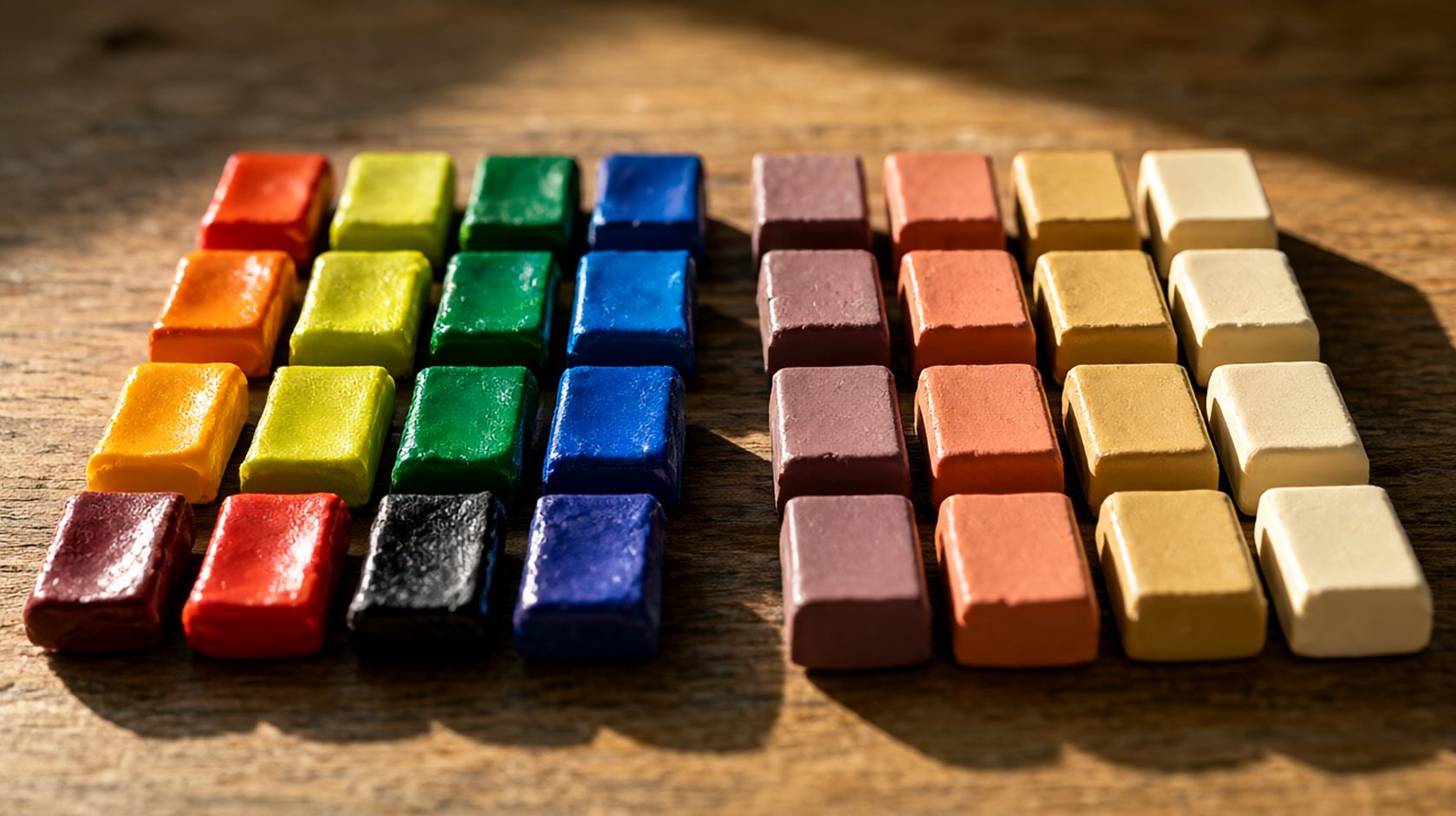
Eight bench notes
2026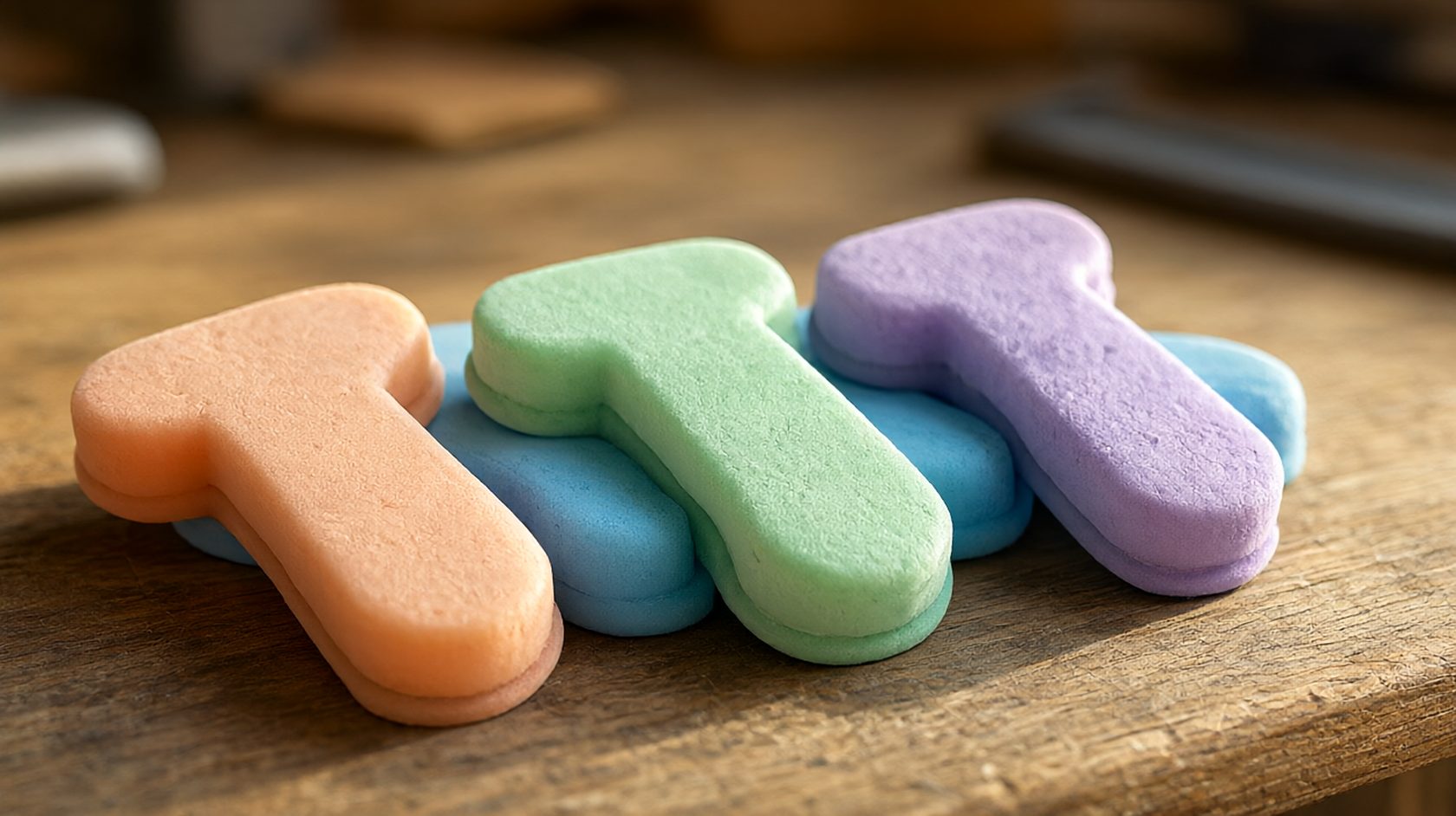
TPR squishy toys: what the material decides before the mould does
Thermoplastic rubber is the reason a squishy toy feels the way it does. It is also the reason a batch fails, a shipment smells, and a retail buyer sends a sample back.
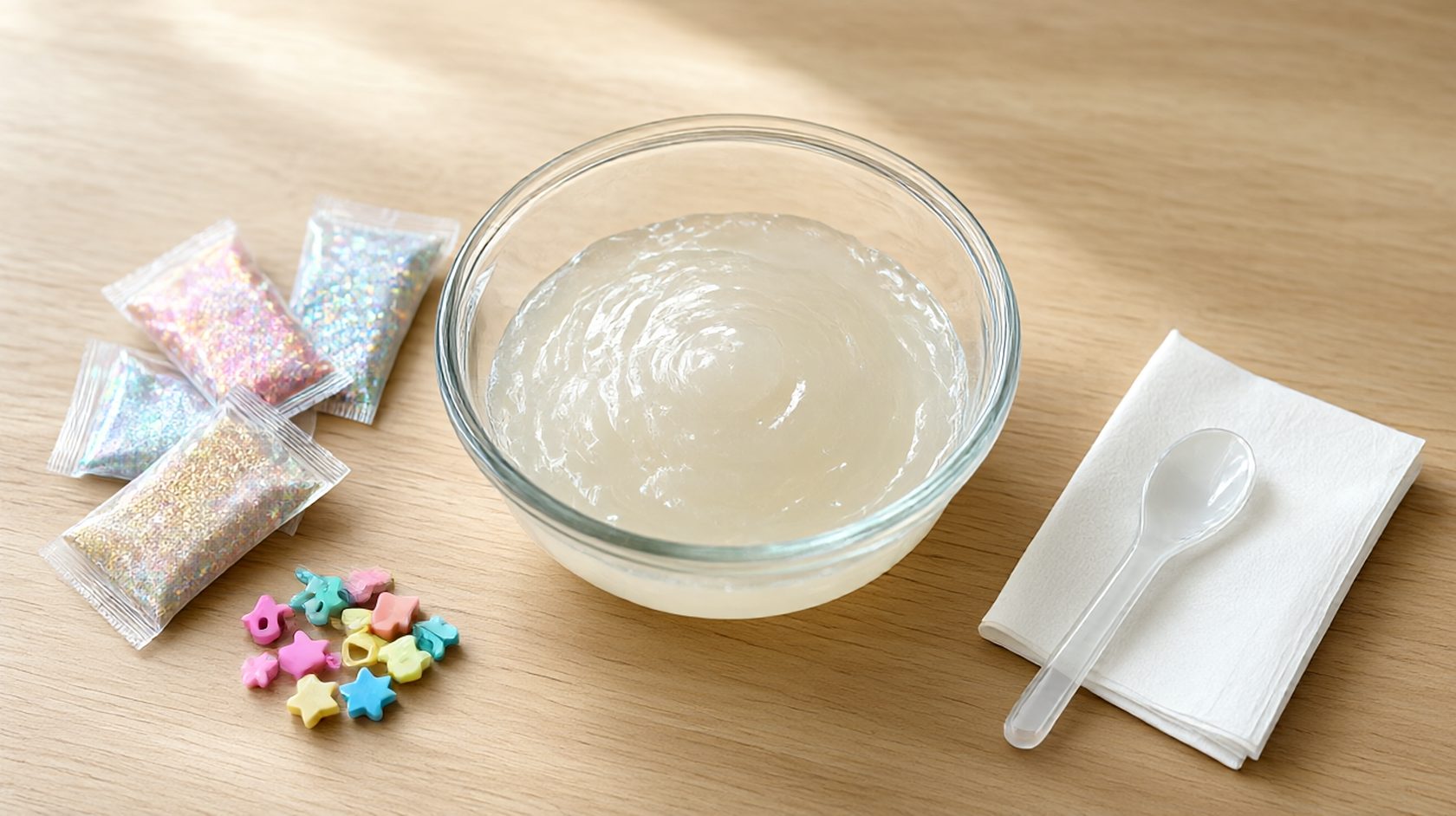
Slime kits: the formulation problem behind every leaked carton
A slime kit is a chemistry product sold as a toy. The failures that matter - leaks, mould, hardening and shrunken pots - are formulation and packaging decisions made months before shipping.
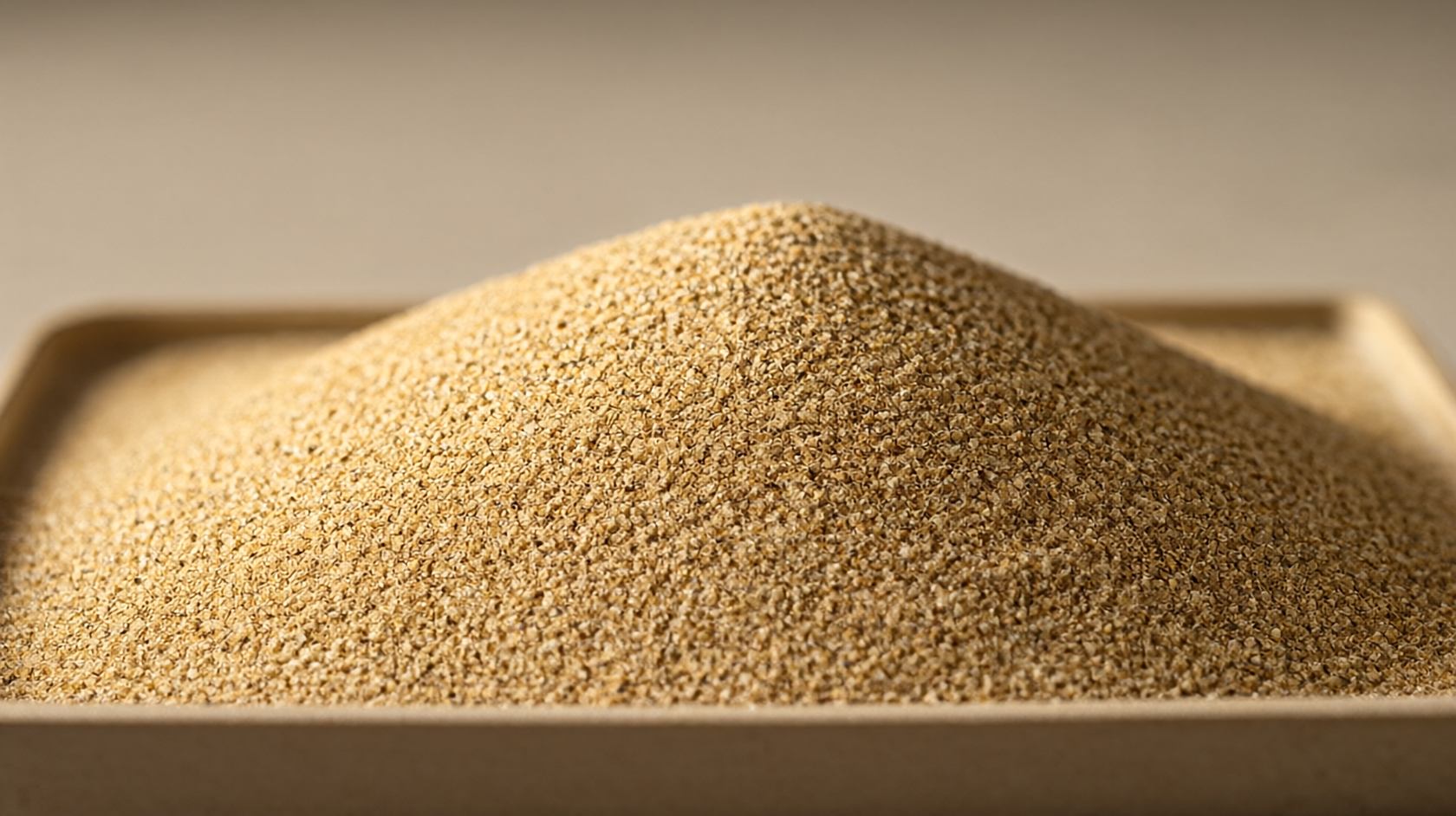
Sensory sand: grain, binder and the dust question
Kinetic sand is sand plus a binder plus a bag. The product's feel, its mess and its regulatory status are decided by three numbers: grain size, binder ratio and dust fraction.
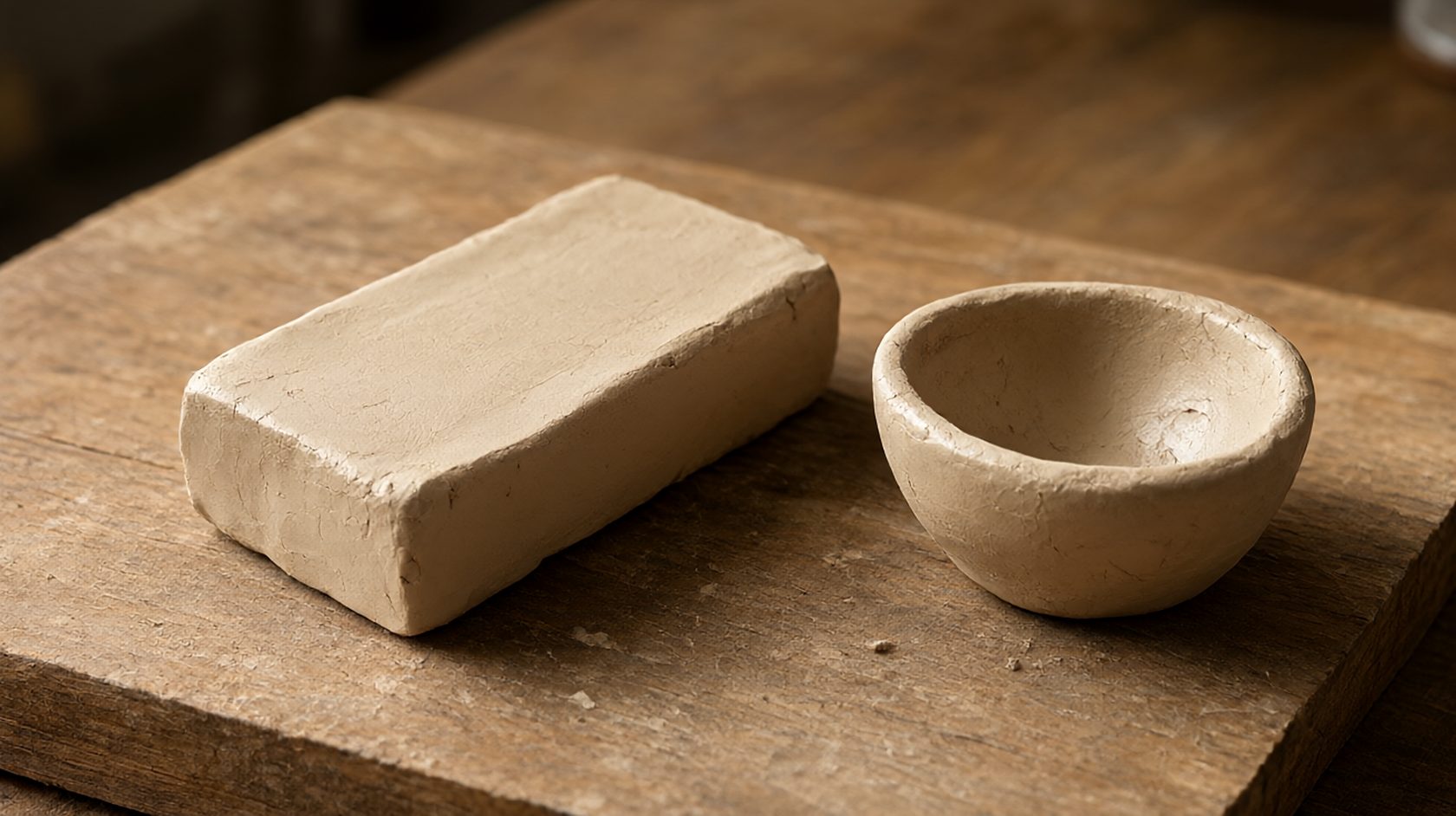
Air-dry clay: why the cracking curve is a formulation issue
Air-dry clay hardens by losing water, and every formula loses water unevenly. The cracks that appear on a child's project are decided by the binder, the filler and the thickness of the piece.
Polymer clay kits: colour consistency across a sixty-colour set
A sixty-colour polymer clay kit is a colour management problem disguised as a toy. The colours have to match across batches, survive baking, and stay distinguishable from each other.
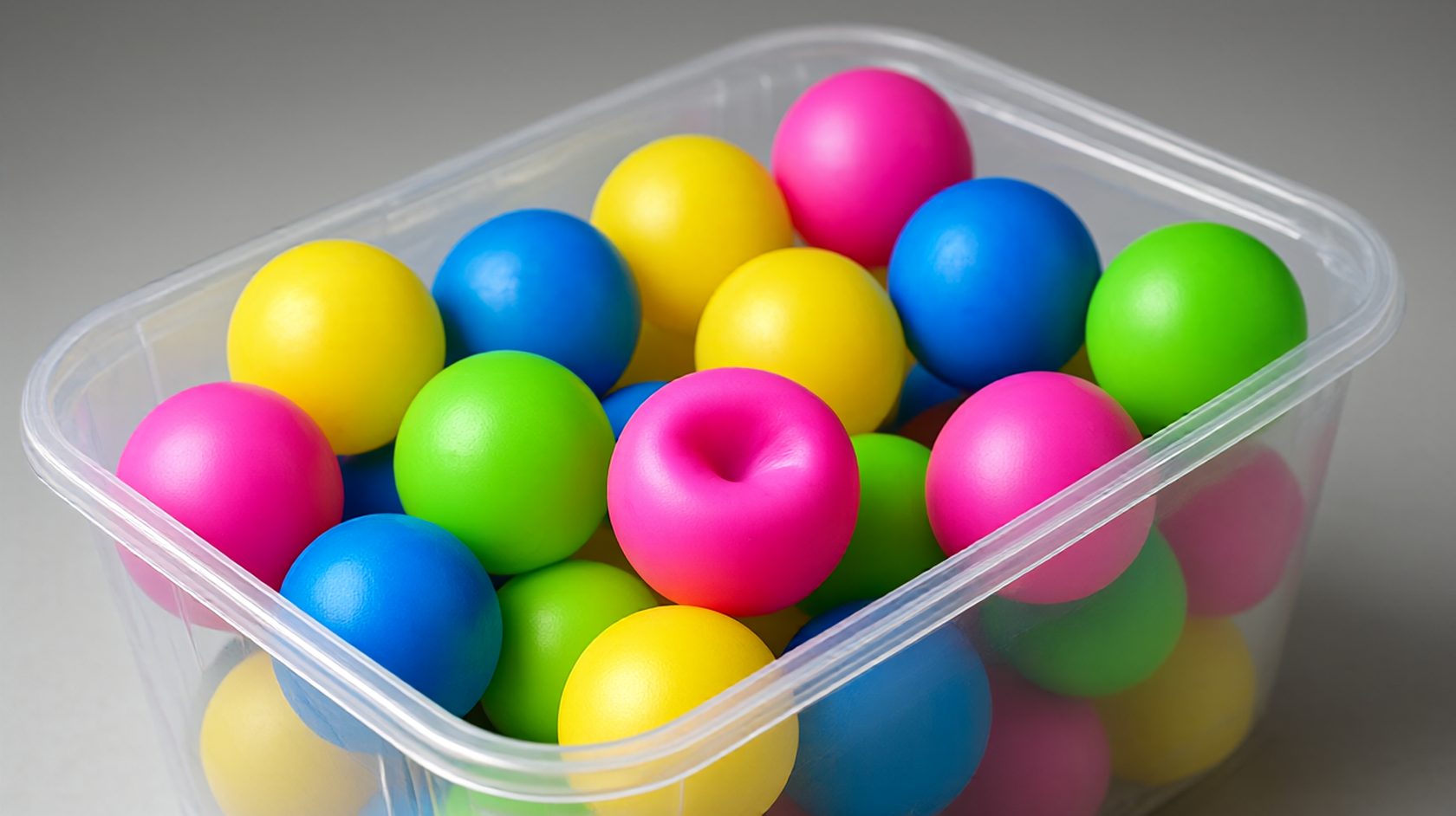
Stress balls: filling, burst strength and the file the buyer needs
A stress ball is a filled elastomer shell, and most of its failure modes come from the fill: too much, too little, or the wrong thing entirely.

Bath toys: drainage, mould and the design that prevents both
A rubber duck is a hollow body with a hole in it, sold into the wettest environment a toy will ever see. The mould inside is a design decision, not a cleaning failure.
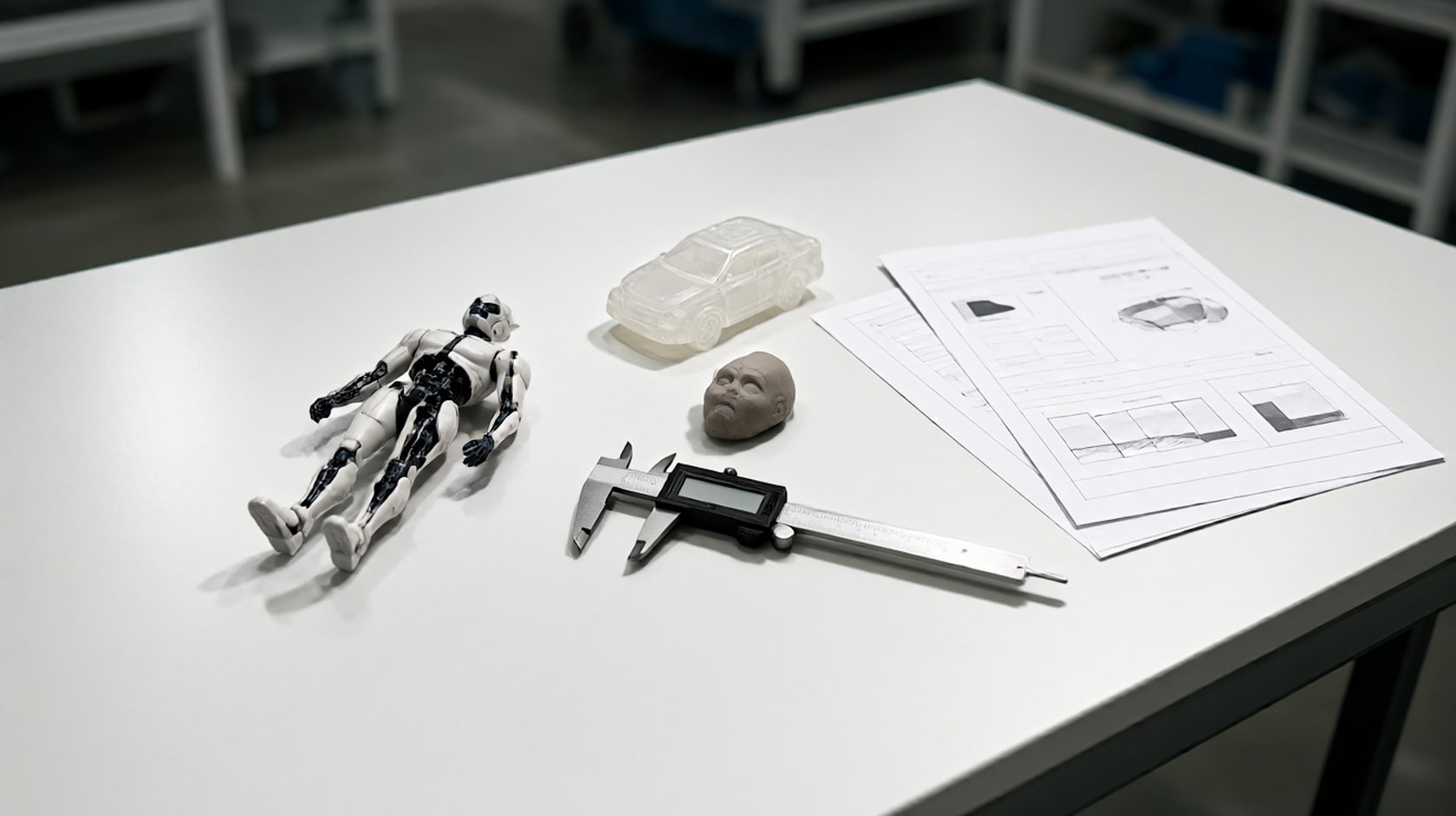
OEM and ODM toy development: the path from brief to production
Most toy projects fail between the sample and the shipment, not in the design. The gap is documentation: what was approved, in which version, with which components.